Electrical Safety in Industrial Sites
Explore essential electrical safety practices for industrial environments. Learn about hazard identification, safety protocols, modern safety technologies, and best practices to protect personnel and equipment in high-voltage industrial settings.
Electrical safety is paramount in industrial environments where high-voltage systems, complex machinery, and multiple power sources create significant hazards. Maintaining electrical safety requires a comprehensive approach that combines proper installation, regular maintenance, and strict adherence to safety protocols.
Understanding Electrical Hazards
Industrial facilities face unique electrical challenges including arc flash incidents, electrical fires, and equipment failures. These hazards can result from improper wiring, overloaded circuits, damaged insulation, or exposure to moisture. Understanding these risks is the first step toward creating a safer work environment.
Key Safety Measures
Industrial electrical safety begins with proper system design and installation. All electrical components must be installed according to national and international standards, with adequate grounding, proper insulation, and appropriate circuit protection. Regular inspections and maintenance are essential to identify potential hazards before they become critical issues.
Training and Awareness Programs
Personnel working with or near electrical systems must receive comprehensive training on safety procedures, hazard recognition, and emergency response. This includes understanding lockout/tagout procedures, proper use of personal protective equipment (PPE), and recognizing warning signs of electrical problems such as unusual sounds, odors, or equipment behavior.
Essential Best Practices
- Conduct regular electrical safety audits and inspections at least quarterly
- Implement proper lockout/tagout procedures for all maintenance work
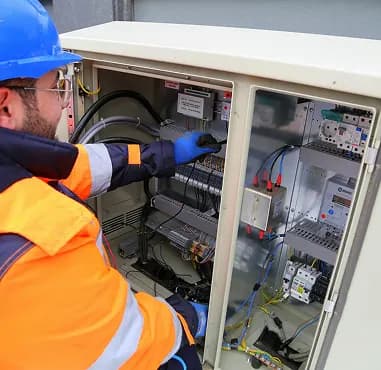
- Use appropriate PPE including insulated gloves, safety glasses, and arc flash protection rated for the voltage level
- Maintain clear access to electrical panels and emergency shutoff switches
- Keep detailed records of all electrical maintenance, repairs, and inspections
- Ensure all electrical work is performed by qualified and certified electricians
- Label all circuits clearly and maintain up-to-date electrical diagrams
- Establish emergency response procedures for electrical incidents
Modern Safety Technologies
Advancements in electrical safety technology have introduced smart monitoring systems that can detect anomalies in real-time, ground fault circuit interrupters (GFCIs) for enhanced protection, and thermal imaging cameras for identifying hot spots before they become problems. These technologies complement traditional safety measures and provide additional layers of protection.
Creating a culture of electrical safety requires ongoing commitment from management and workers alike. Regular training updates, safety meetings, and continuous improvement of safety protocols ensure that electrical safety remains a top priority in industrial operations, protecting both personnel and equipment while maintaining operational efficiency.